
 with confidence.)
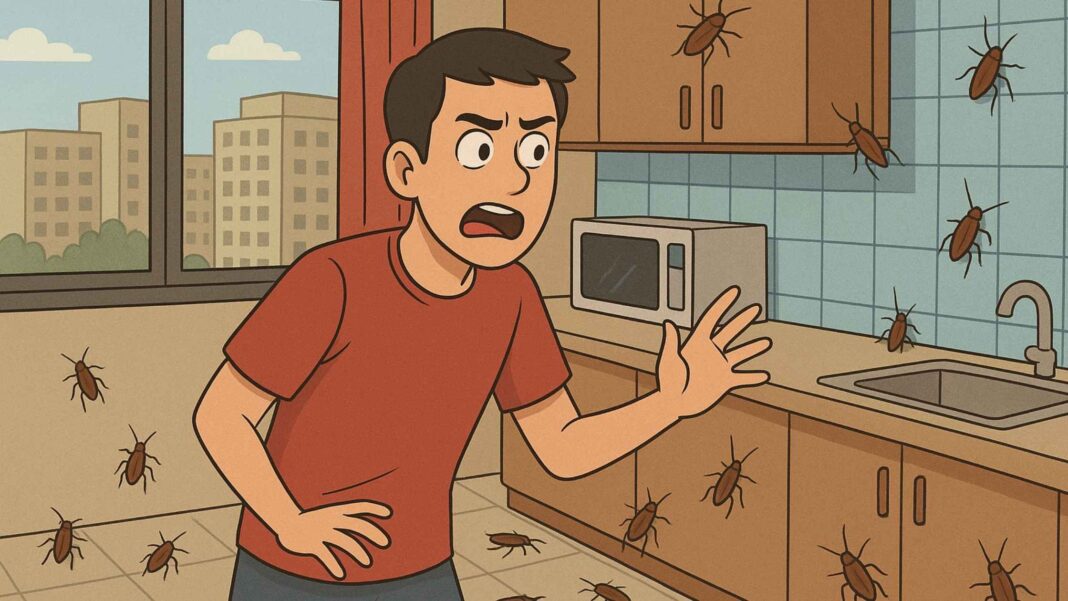
When it comes to pest control in Singapore, cockroach infestations are among the most common household concerns. These insects are highly adaptable, able to thrive in warm, humid conditions where Singapore’s tropical climate makes the city an ideal environment.
In high-density housing such as HDB flats, condominiums, and even landed homes, kitchens, bathrooms, and refuse chutes become frequent hotspots for roach activity.
Beyond being an annoyance, cockroaches are known carriers of bacteria such as E. coli and Salmonella. Their droppings, saliva, and shed skins can trigger allergies and worsen asthma symptoms, especially in children and the elderly.
For homeowners, the challenge is not only identifying the signs early but also acting quickly with effective solutions before infestations spiral out of control.
Below are practical signs of cockroach activity in Singapore homes, along with steps you can take to address them. To make it easier, we’ve paired each problem with a product option you can conveniently find in online stores.
1. Droppings in Dark or Hidden Areas
Cockroach droppings are one of the clearest early warning signs. They look like tiny black specks, similar to ground black pepper or coffee dust, and are often concentrated in cupboards, behind appliances, or beneath sinks.
The more droppings you find, the more serious the infestation is likely to be.
Ignoring droppings not only means overlooking an active infestation but also exposes your household to allergens. Droppings can contaminate food preparation surfaces, so immediate cleaning is essential.
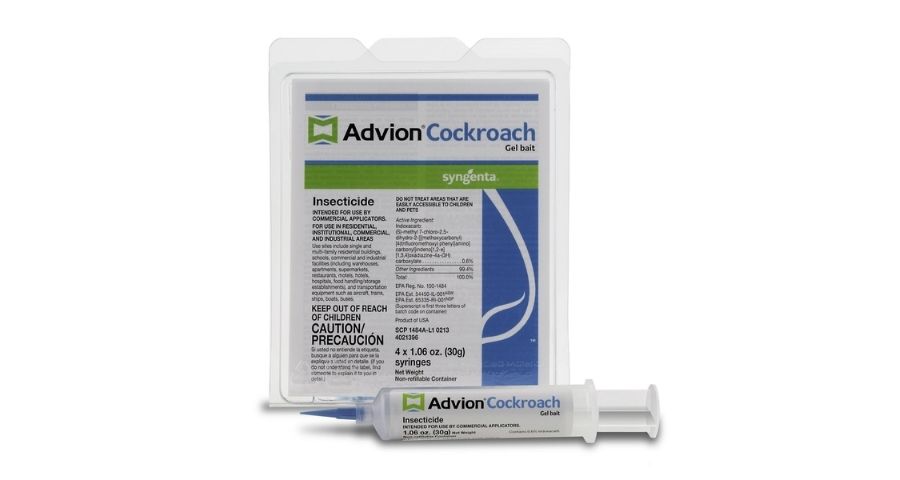
How to treat it: Begin by cleaning affected areas thoroughly using disinfectants. Once the surfaces are clean, place gel baits nearby to lure cockroaches out of their hiding spots and deliver poison directly to the colony.
Product option: Advion Cockroach Gel Bait – packaged in a syringe-style applicator, this gel is easy to apply discreetly in cracks, corners, and other hard-to-reach places where cockroaches travel.
2. Unpleasant, Musty Odour
A musty, oily smell that lingers in your kitchen or bathroom is often an indication of a large cockroach population. These insects release pheromones that help them communicate and cluster together. The stronger the smell, the bigger the infestation.
This odour is not only unpleasant but also a clear sign that cockroaches have established nests nearby. When left unaddressed, the problem can spread quickly from one room to another or even from one unit to surrounding neighbours.
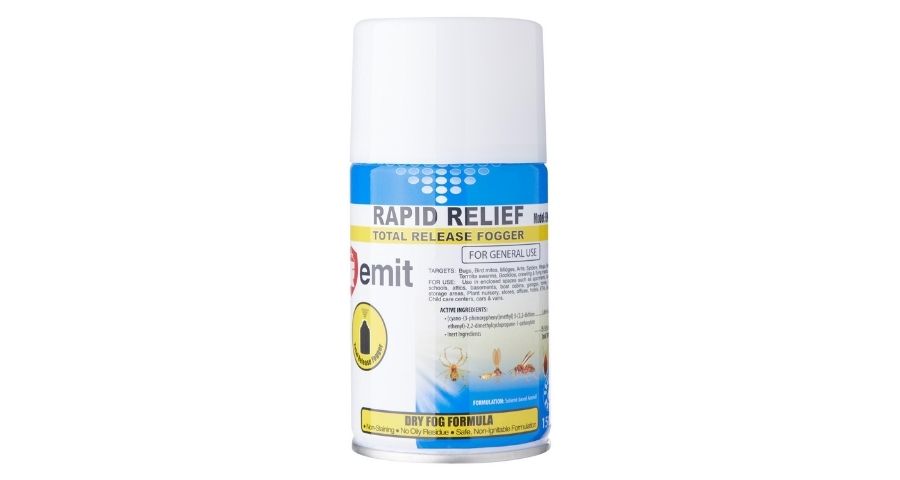
How to treat it: To tackle this, you’ll need to eliminate the source of the infestation and neutralise active nests. Sprays that provide both immediate knockdown and long-lasting residual protection are particularly useful in areas like skirting boards, cupboards, and bathrooms.
Product option: Rapid Relief Fogger Fumigation Spray – designed for fast action, it kills roaches on contact while leaving behind a protective layer that deters pests from returning.
3. Shed Skins and Egg Casings
As cockroaches grow, they moult several times, leaving behind shed skins. You may also spot egg casings, called oothecae, which are brown, capsule-shaped, and often tucked into corners or behind furniture. Finding these is a sign that cockroaches are reproducing in your home.
This is particularly concerning because one egg case can contain dozens of baby roaches. If you don’t address the problem quickly, the population can multiply rapidly.
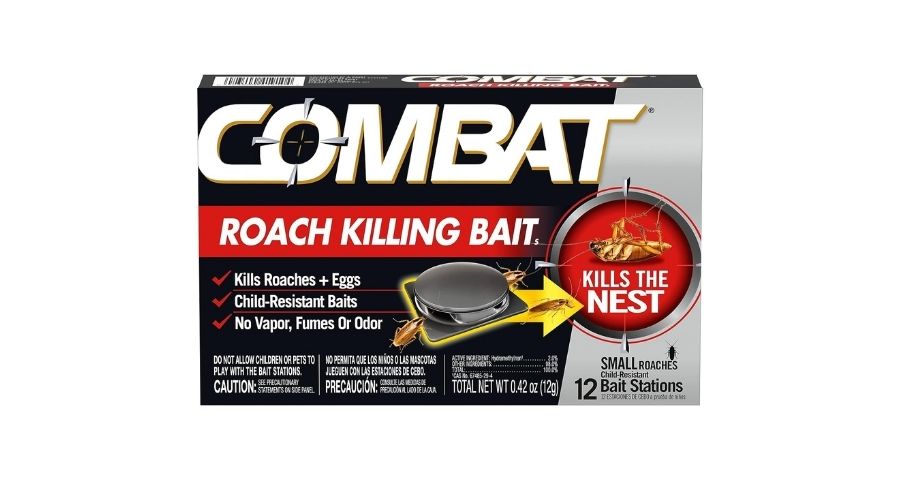
How to treat it: Use a vacuum cleaner to remove any shed skins and egg casings. Afterwards, place bait stations strategically around problem areas to target emerging nymphs before they mature.
Product option: Combat Roach Killer Bait Station – a tamper-proof station that lures cockroaches in, allowing them to consume the bait and spread it to the rest of the colony.
4. Night Sightings in the Kitchen
Cockroaches are nocturnal, which means they are most active at night. If you flick on the kitchen light and see them scurrying away, it is often a sign that the infestation has already taken hold.
Daytime sightings, on the other hand, usually suggest that the population is so large that some roaches are forced out of hiding even during daylight.
This behaviour can be alarming, but it also provides an opportunity to intercept roaches in their active zones. Baits work especially well at night, as roaches leave their nests in search of food.
How to treat it: Place paste baits along walls, near appliances, and under sinks where roaches are commonly spotted. These attract roaches to consume poison and then spread it back to their colony.
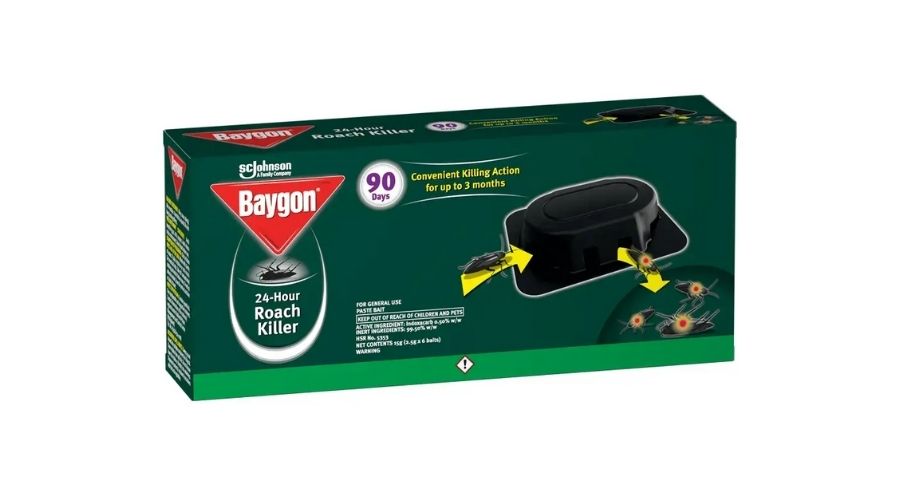
Product option: Baygon 24-Hour Cockroach killer Paste Bait – designed for discreet placement, this paste works continuously, delivering round-the-clock protection against roaches.
5. Entry from Refuse Chutes or Drains
In many older HDB flats, refuse chutes inside kitchens and bathroom floor drains act as entry points for cockroaches. During estate fumigation or when refuse is not sealed properly, roaches can easily crawl into homes.
Their movement often leaves behind greasy trails or smear marks along cupboards, baseboards, or around chute openings. Left unchecked, these entry points become highways for cockroaches, allowing infestations to spread from unit to unit.
How to treat it: Seal gaps around drains and chute openings where possible, and place glue traps nearby to intercept roaches. These traps not only capture pests but also provide a way to monitor how severe the problem is.
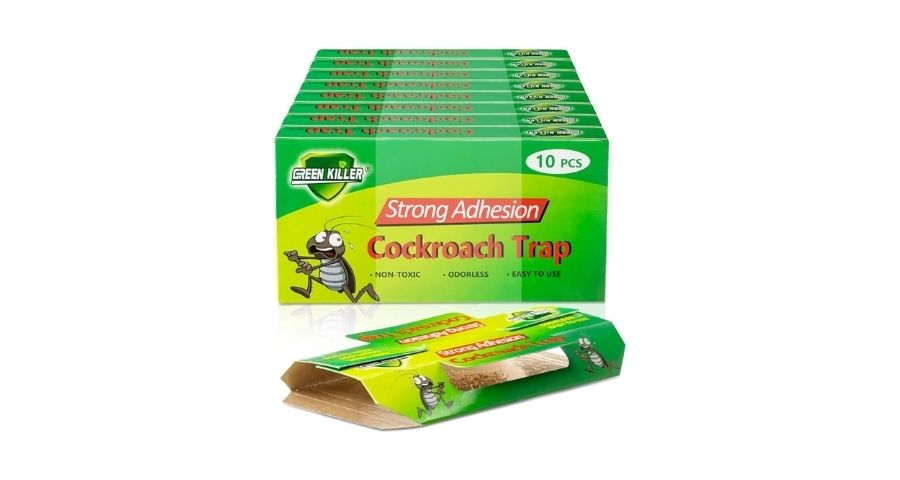
Product option: Green Killer Cockroach & Lizard Trap – a non-toxic sticky trap with bait, ideal for use in kitchens, bathrooms, or hidden corners where roaches frequently pass.
Conclusion
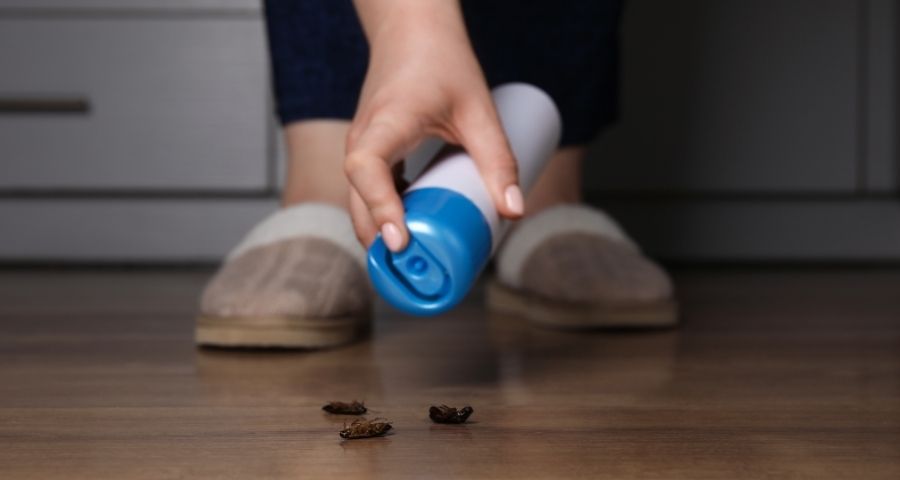
Cockroaches that infest homes are a persistent problem in Singapore, but with vigilance and the right tools, they can be managed effectively. Recognising signs like droppings, odour, egg casings, or direct sightings allows you to act quickly before the situation escalates.
DIY products such as gels, sprays, baits, sticky traps, and powders are all readily available in online shops. In doing so, they offer everyday Singaporeans a practical first line of defence against the pest.
For severe or recurring cases, however, professional pest control services remain the most reliable long-term option. By combining good housekeeping with targeted treatments, homeowners can keep these resilient pests from taking over their living spaces.