
 with confidence.)
When it comes to controlling pests in Singapore, homeowners often think first about termites, cockroaches, or rodents.
But ants are among the most persistent pests in local households, especially in HDB flats, condominiums, and even landed homes.
Singapore’s hot and humid climate creates the perfect breeding ground for ants to thrive. In fact, NEA surveys have shown that more than 80% of households experience some form of ant problem during the year.
While most ant species in Singapore are considered nuisance pests rather than dangerous ones, they can still contaminate food, damage furniture, and spread bacteria.
Certain types, such as Pharaoh ants, are also known to bite when disturbed and can be very difficult to eliminate due to their ability to form multiple colonies.
Because of these challenges, spotting the signs early and addressing the problem properly is crucial to maintaining a hygienic, pest-free home.
1. Ant Trails in the Kitchen or Pantry
One of the clearest indicators of an infestation is seeing long lines of ants moving across your kitchen counter, pantry shelves, or walls. These trails usually form when ants discover a food source and leave behind pheromones to guide the rest of the colony.
Left unchecked, you might find ants in sugar jars, snack bags, or even sealed containers that are not completely airtight.
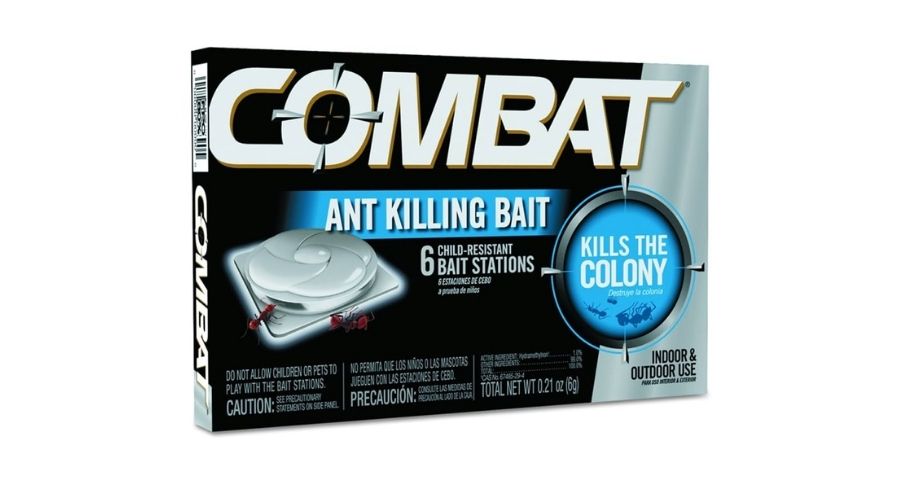
Solution: Instead of reaching for a spray that only kills visible ants, use Combat Ant Killing Bait.
The bait contains a slow-acting gel that worker ants carry back to the nest, where it spreads and eventually eliminates the entire colony.
Place the bait stations along ant trails and near food storage areas. They’re discreet, easy to use, and much safer than constant spraying in food-prep zones.
2. Ants Emerging from Cracks or Floor Gaps
If ants repeatedly appear from the same wall crack, floor gap, or skirting board, it often means they’ve nested within the structure of your home.
Ghost ants and Pharaoh ants are especially notorious for hiding in hard-to-reach crevices, where DIY sprays rarely penetrate. These hidden nests can expand quickly, making the infestation harder to control over time.
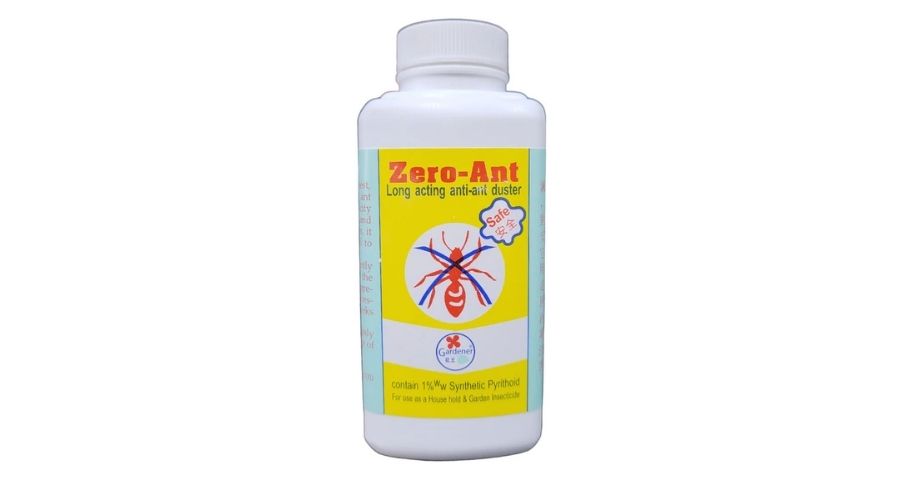
Solution: Apply Zero-Ant Ant Killer Duster directly into cracks and gaps where ants are emerging. The fine powder clings to the ants’ bodies as they walk through it, and when they groom themselves back in the nest, the poison spreads to others.
After treatment, homeowners should seal these entry points with caulk to prevent new colonies from moving in.
3. Ants in and Around Electrical Appliances
Some ant species, such as ghost ants, are drawn to warm, hidden environments, making your microwave, Wi-Fi router, or even power sockets attractive nesting sites.
This is more than just inconvenient because it creates hygiene risks and can potentially damage sensitive electronics if infestations are left untreated.
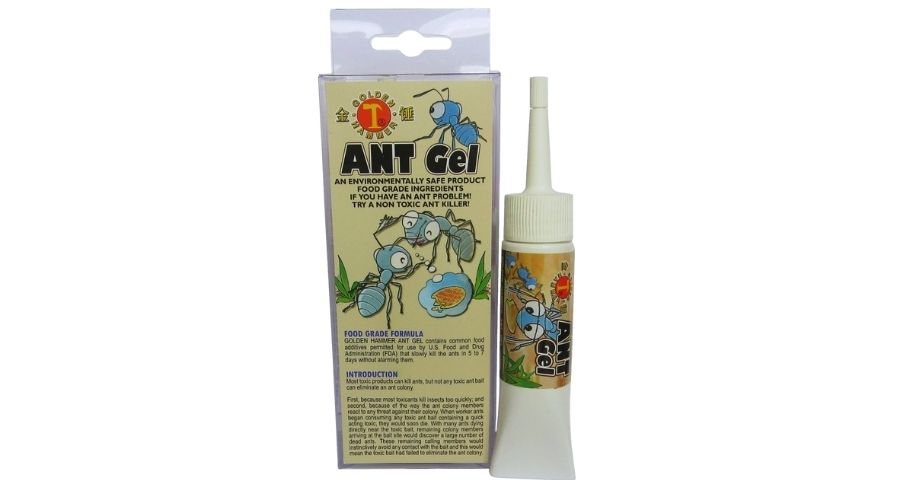
Solution: Sprays are not recommended near appliances, as they can damage electronics. A safer choice is Golden Hammer Ant Gel.
Place small amounts on cardboard strips near the infested appliance. The ants will feed on the borax-based gel and transport it back to the nest. Over several days, the colony will decline significantly.
4. Ant Activity in Bathrooms and Wet Areas
Ants don’t just search for food but also seek out moisture. Bathrooms, sinks, and wet kitchen corners are common places to spot them, especially during hotter months when water becomes a valuable resource for the colony.
If left unchecked, trails of ants can appear near drains or even under bathroom tiles.
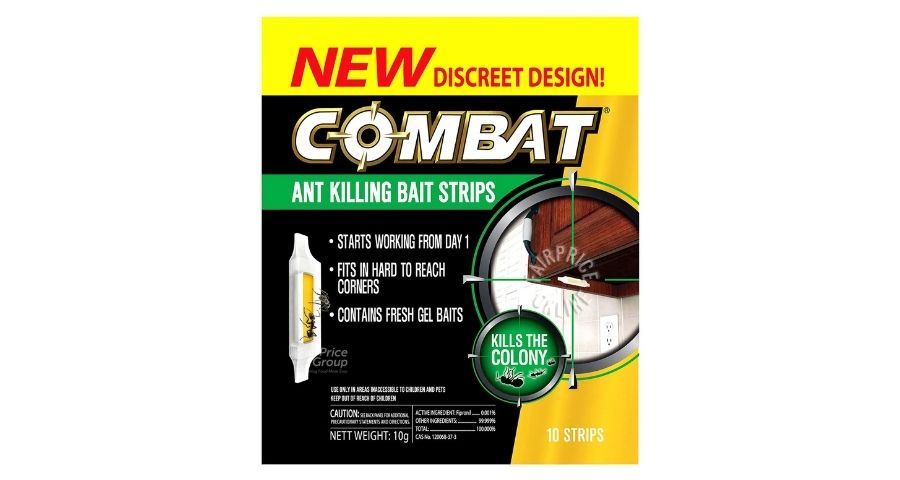
Solution: Use Combat Ant Killer Bait Strips, which are convenient and easy to place even in tight or damp bathroom corners.
The strips contain slow-acting bait that worker ants consume and carry back to the colony, targeting the nest rather than just the foragers. Place them near sinks, along skirting boards, or behind bathroom doors, where ants are most active.
5. Large Black Ants or Wood-Damaging Activity
Not all ants are small. Spotting larger black ants in your home, particularly near wooden furniture or skirting boards, could signal carpenter ant activity.
Unlike termites, carpenter ants don’t eat wood, but they hollow it out to build nests. Over time, this can weaken furniture and cause structural issues.
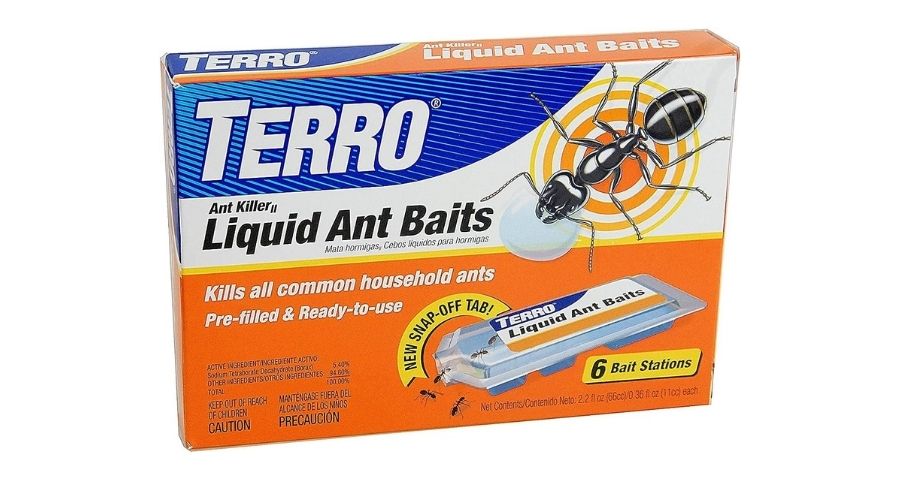
Solution: For severe carpenter ant problems, it’s best to call a licensed pest control Singapore service, as these nests can be difficult to locate. For lighter infestations, Terro Liquid Ant Baits can be very effective.
These baits use a sweet liquid that attracts larger ants, allowing the poison to spread through the colony. Place them near areas where you notice frequent ant activity.
Conclusion
Infestations involving ants are one of the most common household issues in Singapore. From ghost ants trailing across kitchen counters to carpenter ants nesting in wood, the warning signs are easy to spot once you know what to look for.
The good news is that effective solutions are readily available. With the products listed above and available online, they can help you tackle the root of the problem by eliminating nests instead of just killing foragers.
Still, prevention is just as important as treatment. Homeowners should adopt good housekeeping practices, such as keeping food sealed, wiping surfaces clean, fixing leaks, and sealing entry points. These small steps make it harder for ants to establish a foothold indoors.
For particularly stubborn infestations, especially those involving Pharaoh or carpenter ants, professional help may be necessary.
Licensed pest control in Singapore can identify the ant species, use integrated methods like baiting and dusting, and carry out follow-ups to ensure the problem doesn’t return.
Ultimately, with the right mix of preventive habits, DIY solutions, and professional support when needed, Singapore households can keep ants at bay and enjoy a cleaner, safer, and pest-free living environment all year round.