
 with confidence.)
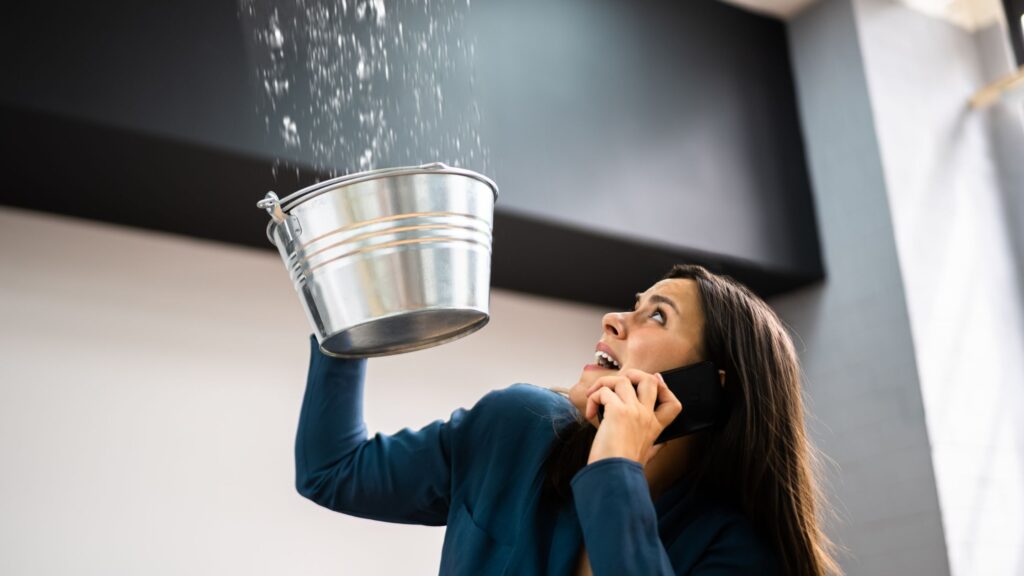
Water leaking from an aircon is a sight most homeowners in Singapore have faced at least once. In such a humid climate, cooling units run hard and condensation is expected. A light mist or a few drops isn’t unusual, but when water begins dripping steadily or pooling indoors, it signals something is wrong.
These leaks are among the most reported issues in local households. Left unattended, they can damage furniture, flooring, or even the unit itself. More importantly, leaks point to underlying problems that affect cooling efficiency and energy use.
This guide takes a closer look at why leaks happen, what simple checks you can do at home, and the warning signs that call for expert intervention.
Why is My Aircon Leaking Water?
Clogged drain pipe
One of the most common culprits is a blocked drain line. Dust, algae, or debris build up inside the pipe, preventing condensation from flowing out. With nowhere else to go, water backs up and eventually spills over into your room.
Dirty air filter
Filters packed with dirt restrict airflow. This traps cold air around the coils, causing them to freeze. Once the ice melts, excess water drips out and creates the impression of a leak. Something as simple as cleaning or replacing filters can prevent this chain reaction.
Low refrigerant levels
When gas levels are low, the pressure inside the system drops. The coils freeze over, much like what happens with a dirty filter. As the ice melts, more water than usual flows into the drain pan, which can quickly overflow.
Improper installation or tilt
Aircon units need to be properly leveled. If they’re tilted or loosely mounted, condensation may collect in areas where it shouldn’t, eventually dripping inside the house. Poorly fitted drain pipes during installation can also lead to leaks early on.
Damaged pump or drain pan
In older units, pumps that move water out may wear out, or the drain pan may rust and crack. These mechanical failures mean the system cannot handle the moisture it produces, leaving you with constant drips or puddles.
Quick Fixes You Can Try at Home
Start by checking the air filters. Remove them, wash them with mild soap, and let them dry completely before reinserting. Clean filters allow air to move freely and reduce the chances of freezing coils.
Look at the placement of the unit. If it seems tilted or loosely mounted, adjust it so it sits level. Even a small tilt can redirect condensation the wrong way.
Finally, inspect the drain outlet. If you notice visible dust or debris near the pipe, gently clear it. Sometimes a basic cleaning is enough to restore proper drainage.
It’s important to stress, though, that only surface-level checks should be attempted. More complex problems, like blocked internal pipes or refrigerant leaks, require professional handling.
When to Call a Professional
If your unit continues dripping after cleaning the filters and checking for visible blockages, it’s time to bring in a technician. Persistent leaks are usually tied to deeper issues such as frozen coils, gas problems, or worn-out components.
Specialists have the tools to clear drainpipes thoroughly, refill refrigerant safely, and replace damaged parts. They can also carry out a full inspection to make sure the problem doesn’t recur.
In Singapore, where aircons run daily in many homes, professional servicing is often the most practical choice.
You can find a list of reliable providers through our main guide on aircon servicing Singapore, which covers trusted names that residents rely on.
Need help? You might need to check out our blog on LS aircon servicing.
Preventing Aircon Leaks in the Future
Regular maintenance is the most effective way to avoid leaks. Scheduling servicing every few months ensures filters, coils, and drainage systems stay clean and functional. This prevents build-up and reduces wear on critical components.
Another simple step is to occasionally switch your unit to dry mode. This lowers indoor humidity, reducing the amount of condensation that forms. It’s useful during rainy seasons when moisture levels are high.
Finally, ensure your system is properly installed and matched to the size of the room. Units that are too powerful cycle on and off too quickly, while undersized ones overwork, both of which increase the risk of condensation problems.
If your aircon is not doing its cooling job, read here.
Conclusion
Water dripping from an aircon can be frustrating, but it’s also one of the most manageable issues homeowners face. Whether it’s a blocked pipe, dirty filter, or low refrigerant, the cause is usually identifiable and fixable.
Simple checks at home may stop minor leaks, but ongoing problems should be left to trained technicians. Regular servicing not only keeps leaks at bay but also improves cooling and reduces long-term costs.
Just a little regular attention goes a long way in preventing those annoying water leaks from your aircon. Simple checks and timely cleaning keep the whole system in good shape, and scheduled servicing stops minor issues from turning into expensive repairs.
A little care today definitely saves you a bigger headache later.