
 with confidence.)
Most people experience an itchy scalp at some stage in life.
For some, it is an occasional annoyance. For others, it becomes a daily distraction that affects comfort, focus, and even confidence in public. The discomfort can range from mild tingling to persistent irritation that disrupts sleep and concentration.
This article breaks down the common causes of an itchy scalp and provides practical steps you can take at home. It also explains when professional care might be needed.
By understanding what triggers the itch and how to address it, you can decide whether simple adjustments are enough or if expert scalp treatment in Singapore is the better option.
Common Causes of Itchy Scalp

There are several reasons why the scalp may start to itch, and identifying them is an important step toward relief:
- Dry skin – When the scalp loses too much natural oil, it can feel tight and flaky. Air-conditioned environments and frequent washing often make the dryness worse.
- Dandruff (seborrheic dermatitis) – This results from excess oil and yeast overgrowth, producing flakes and persistent itch that range from mild to severe.
- Hair products – Shampoos, conditioners, sprays, or gels with sulphates, fragrances, or preservatives may irritate sensitive skin, leading to redness, dryness, or constant itching.
- Chronic skin conditions – Psoriasis and eczema can extend to the scalp, causing inflammation, thick scales, and recurring flare-ups that usually need medical attention.
- Fungal infections – Though less common, ringworm can cause circular patches, hair loss, and irritation if left untreated, making diagnosis and treatment essential.
- Stress – Tension and lack of rest affect hormones and immunity, which can heighten scalp sensitivity and increase dryness or itch.
These causes show that itchy scalp can stem from simple dryness to more complex health conditions, which is why careful observation is key in choosing the right solution.
Everyday Relief and Home Care
For many, relief starts with simple changes at home. The first is switching to gentle shampoos that are free of fragrances and harsh chemicals. These help clean the scalp without stripping away essential oils.
Establishing the right washing routine is also essential. Washing too frequently dries out the scalp, but washing too rarely allows oil and dirt to build up. A balanced schedule suited to your hair type can prevent both extremes.
Another step is reducing heat exposure. Styling tools such as blow dryers or straighteners remove moisture and make itching worse. Limiting their use, or applying heat-protectant sprays, helps to preserve scalp hydration.
Since stress can amplify symptoms, incorporating relaxation into daily life is worthwhile. Light exercise, breathing exercises, or consistent sleep schedules support both overall health and scalp comfort.
Nutrition also matters. Drinking enough water and including omega-3 rich foods, such as fish, walnuts, or flaxseeds, strengthen the skin barrier. A diet lacking in these nutrients often makes dryness and irritation harder to manage.
When to Seek Professional Help
Not all cases can be resolved through home care. If the itch continues despite trying different shampoos or routines, this can signal a deeper issue.
Professional advice is recommended when itching comes with redness, scabs, or clear patches of hair loss. These symptoms often suggest infections or autoimmune conditions that do not improve with over-the-counter products.
Severe dandruff or scaling that spreads quickly is another warning sign. Leaving such conditions unchecked risks worsening inflammation and disrupting hair growth.
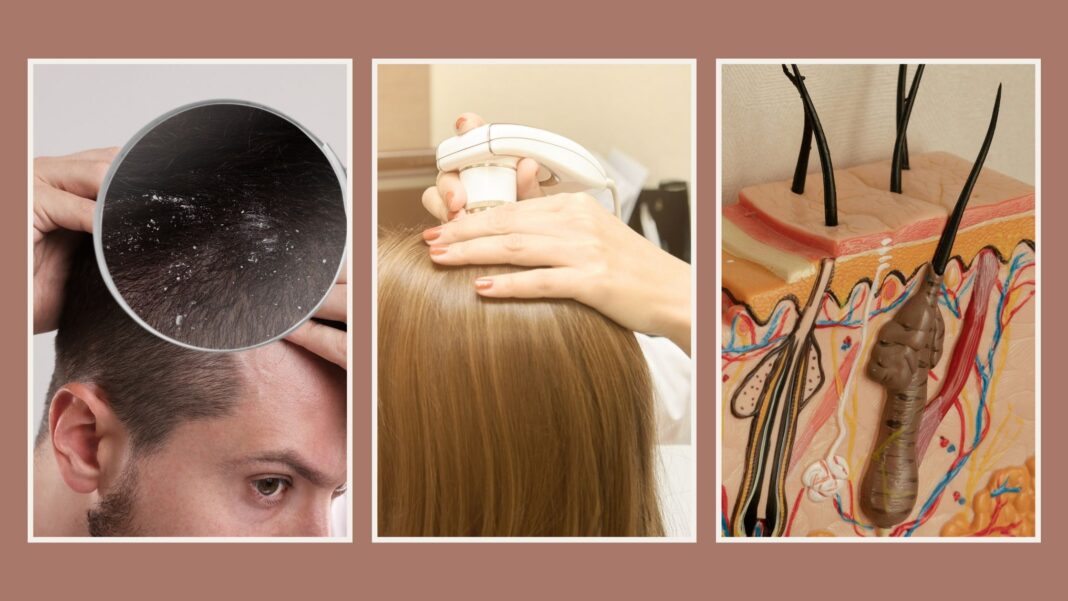
Specialist trichologists and dermatologists provide detailed assessments of scalp health. Using diagnostic tools, they identify the exact cause and recommend treatments tailored to the individual. This might involve medicated shampoos, light therapy, or targeted scalp treatments at specialised clinics.
Want to get started? Check out our blogs on TrichoKare Clementi or Aveda Scalp Treatments.
Preventive Measures
Beyond treatment, prevention makes a significant difference in avoiding future discomfort. Choosing hair products suited to your scalp type is a good place to start. Formulas without unnecessary chemicals or strong fragrances are less likely to cause irritation.
Routine scalp maintenance also helps. Some people benefit from periodic professional care at salons or clinics, where early signs of dryness or buildup are treated before they escalate. This approach makes long-term management easier and less disruptive.
Sustainable habits complete the picture. Consistent washing routines, protecting hair from excessive heat, following a balanced diet, and practising stress management all reduce the likelihood of recurring problems. Over time, these habits strengthen the scalp and keep it more resistant to irritation.
Conclusion
Itchy scalp is common, but it does not have to be a lasting issue. By recognising the main causes, making small adjustments to daily routines, and knowing when to seek professional guidance, most people can achieve relief.
Mild cases often improve with changes in shampoo, diet, and stress management. Persistent or severe cases benefit from expert assessment and treatment.
For those considering professional care, our full guide on professional scalp treatments in 2025 outlines the options available and the services that clinics provide.
To conclude, consistency matters most. Whether managed at home or with professional support, maintaining balanced routines is what keeps the scalp comfortable, healthy, and less prone to irritation in the long run.